
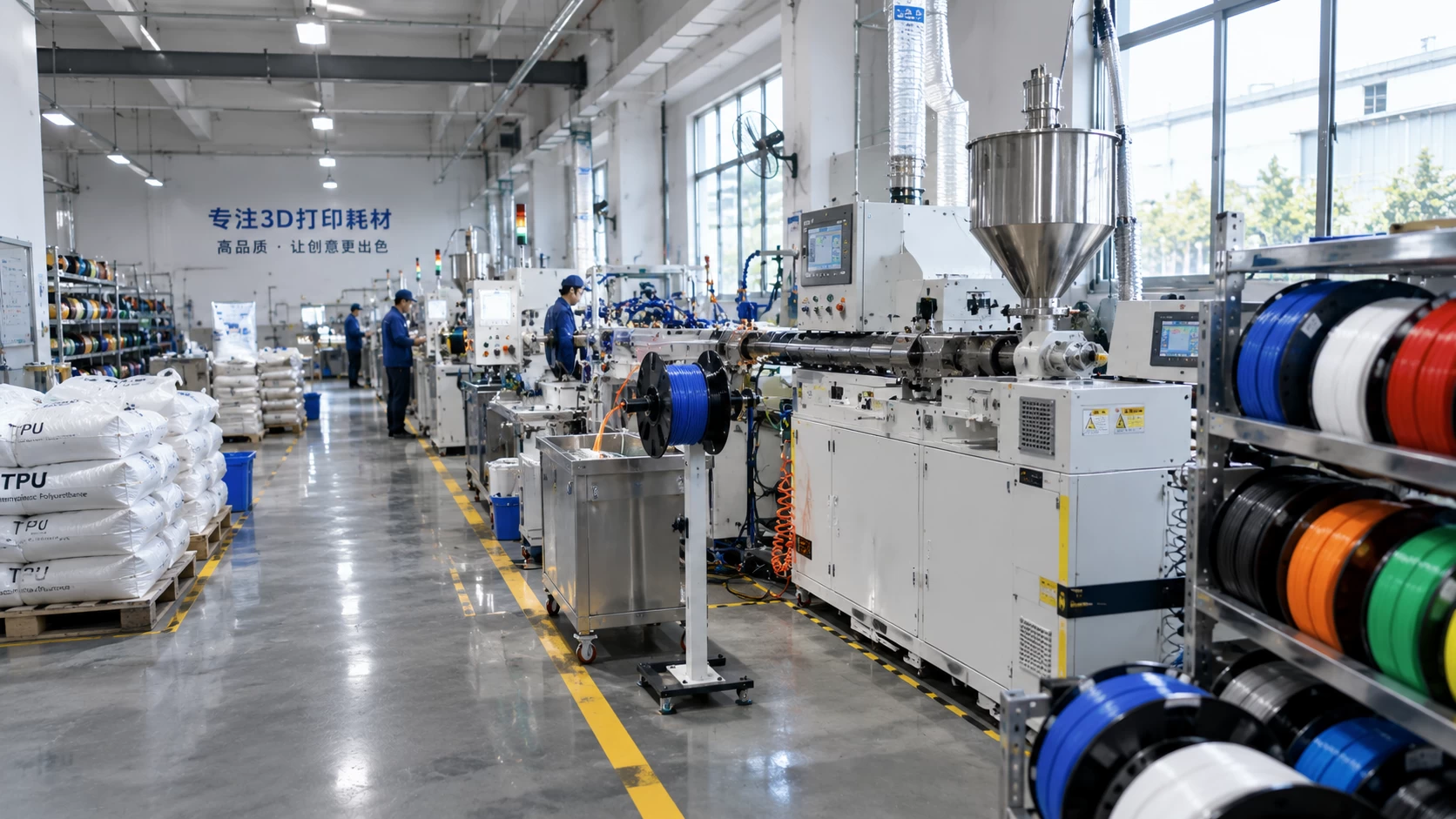
Search demand for filament dryers, drying temperatures and storage boxes reflects a real production issue: moisture changes how some filaments feed, extrude and bond. FILAMENTLAB recommends treating drying as a documented process rather than applying one temperature to every material.
For distributors and workshops in Kenya and East Africa, confirm humidity-control, spare-part and delivery requirements before specifying a material.
Signs that moisture may be present
- Popping, crackling or steam near the nozzle during extrusion.
- Bubbles, rough surfaces, inconsistent extrusion or excessive stringing.
- Weak layer adhesion or a print that changes after the spool has been open for several days.
- Visible condensation or an unsealed spool stored in a humid workshop.
These signs are not unique to moisture, so check the spool, printer and slicing settings before changing the material.
A controlled drying and storage workflow
Use the temperature and duration specified in the filament TDS. Do not assume that a kitchen oven is accurate enough, and do not exceed the supplier’s limit. Dry the spool in a dedicated dryer, allow it to cool safely, then place it immediately in a sealed container with fresh desiccant. A hygrometer helps confirm that the storage environment stays dry. Label the opening or drying date and re-dry after long storage or when print quality changes.